
Professional Development for Engineers
Metallurgy for Non-Metallurgists Training Course - Master Material Science Without a Metallurgy Degree
Comprehensive 40-hour program designed specifically for mechanical, electrical, civil engineers, QA/QC professionals, and NDT technicians. Learn heat treatment, material selection, failure analysis, and metallurgical fundamentals essential for industrial applications.
🎓 Since 2001 | 👥 16,000+ Trained | 🏆 NADCAP Accredited NDT Lab | 📍 Bangalore & Online
Duration
40 Hours
Modes
Bangalore & Online
Certification
Internationally Recognized
Key Benefit
Focus on Practicals at Aerospace Labs
Why Metallurgy Matters for Non-Metallurgical Engineers?
Every successful engineer needs to understand materials and metallurgy behind manufacturing. Whether you’re designing components, inspecting welds, ensuring quality control, or managing production, metallurgical knowledge isn’t optional—it’s essential. Especially for non-metallurgist this course helps to understand fundamental metallurgy concepts in simple language.
Yet most mechanical, electrical, and civil engineering programs barely scratch the surface of material science. You graduate knowing calculations and designs, but struggle when a component fails, when selecting the right steel grade, or when heat treatment goes wrong.
That’s where Trinity NDT’s this special course bridges the gap. We’ve trained over 16,000 professionals since 2001, helping them master the metallurgical concepts that textbooks make complicated and industries demand you know.
Metallurgy for Non-metallurgist course is especially designed for practicing engineers, sales personnel, laboratory technicians, NDT level 1, 2 technicians, Welders, Mechanical Engineers, Electrical and Civil Engineering graduates, welding inspection personnel, marketing professionals who do not have understanding on metallurgical aspects of processing and to understand fundamental concepts of Metallurgy and materials science. Call/WhatsApp us now for more details +91 98441 29439 / +91 91413 39994 or email: training@trinityndt.com
Who Benefits from This Metallurgy Course?
Quality & Inspection Professionals
QA/QC engineers, NDT technicians, welding inspectors who need to understand material behavior
Design & Manufacturing Engineers
Mechanical engineers selecting materials, process engineers optimizing production
Sales & Technical Support
Sales engineers, application specialists, procurement professionals dealing with metal products
Maintenance & Operations
Plant engineers, maintenance managers dealing with equipment failures and material issues
Fresh Engineering Graduates
Recent graduates from mechanical, electrical, civil engineering seeking practical metallurgy knowledge
Production Supervisors
Shop floor managers, production planners needing foundry and heat treatment understanding
What You'll Learn in This Metallurgy Training
Our comprehensive curriculum covers 10 core modules designed by practicing metallurgists with decades of shop floor experience:
Module 1 - Introduction to Basic Metallurgy
Atomic structure and crystal systems - Solidification and grain structure - Metallic bonding fundamentals - Reading and understanding phase diagrams
Module 2: Metal Basics
Ferrous vs non-ferrous metals - Properties of common engineering metals - Material nomenclature and standards - Reading material test certificates
Module 3: Engineering Materials
Carbon steels: Low, medium, high carbon - Alloy steels and their applications - Stainless steels: Austenitic, ferritic, martensitic - Tool steels and their selection - Cast irons: Grey, ductile, malleable - Non-ferrous alloys: Aluminum, copper, titanium
Module 4: Shape Forming
Casting processes and defects - Forging and hot working - Cold working and its effects - Rolling, extrusion, and drawing - Powder metallurgy basics
Module 5: Heat Treatment
Critical concepts made simple: - Iron-Carbon equilibrium diagram explained - TTT and CCT diagrams demystified - Hardenability and Jominy test -Heat treatment processes: - Annealing, normalizing, hardening, tempering - Surface hardening: Carburizing, nitriding, flame/induction hardening - Stress relieving and solution treatment - Common heat treatment defects and prevention
Module 6: Mechanical Properties
Tensile testing and stress-strain curves - Hardness testing (Brinell, Rockwell, Vickers) - Impact testing (Charpy, Izod) - Fatigue and creep behavior - Fracture mechanics basics
Module 7: Joining Processes
Weldability of steels - Welding metallurgy fundamentals - Heat-affected zone (HAZ) microstructures - Weld defects from metallurgical perspective - Brazing and soldering basics
Module 8: Emerging Materials & Processes
- Advanced high-strength steels (AHSS) - Metal matrix composites - Additive manufacturing metallurgy - Coatings and surface treatments
Module 9: Failure Analysis
Types of failures: Ductile, brittle, fatigue - Root cause analysis methodology - Case studies from industry - Preventive measures and material selection
Module 10: Surface Engineering
Electroplating and electroless plating - Thermal spraying techniques - PVD and CVD coatings - Corrosion and its prevention - Surface preparation methods
Hands-On Learning Experience
Theory alone doesn’t make you competent. Our course includes:

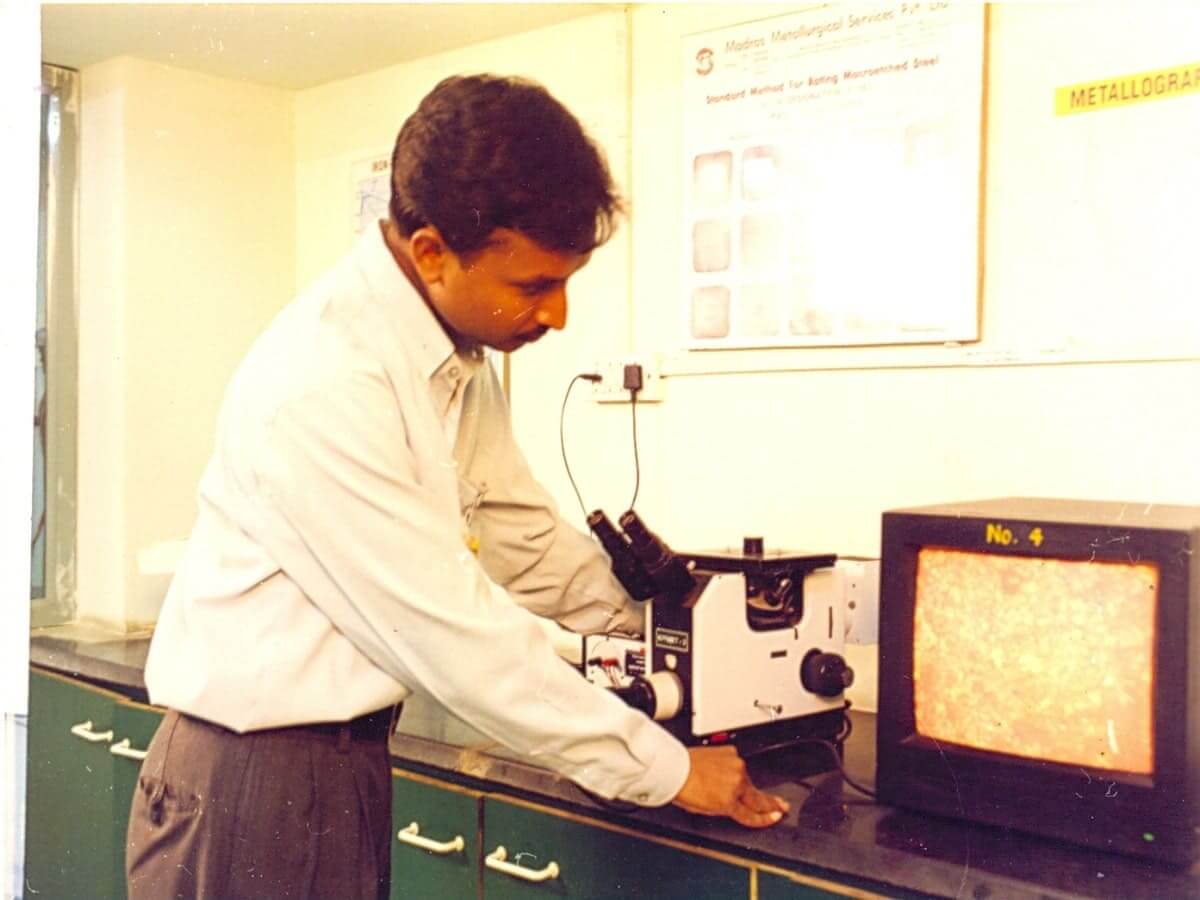
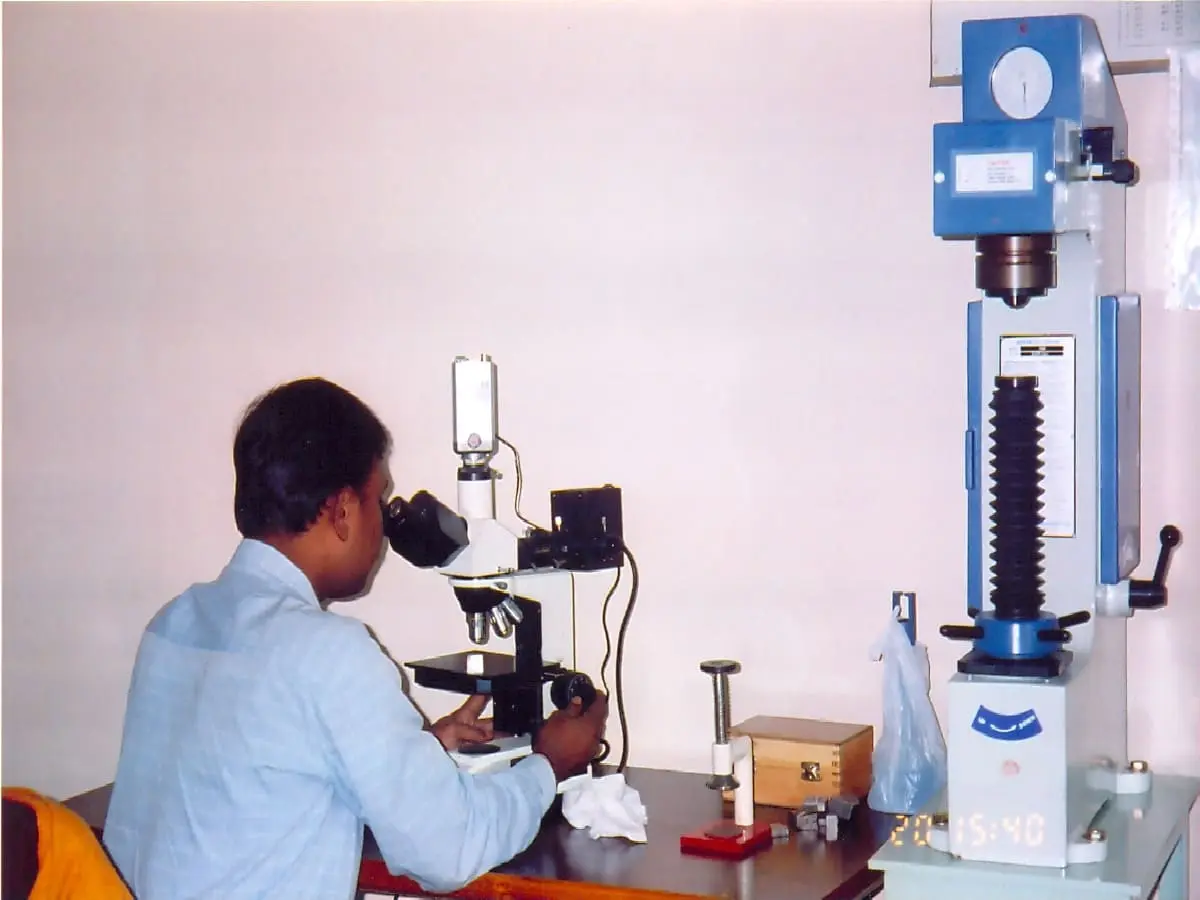
Laboratory Sessions
Microscopic examination of microstructures - Hardness testing on various materials - Heat treatment demonstration - Failure analysis case studies
Industrial Case Studies
Real-world failure investigations - Material selection problem-solving - Heat treatment troubleshooting - Quality control scenarios
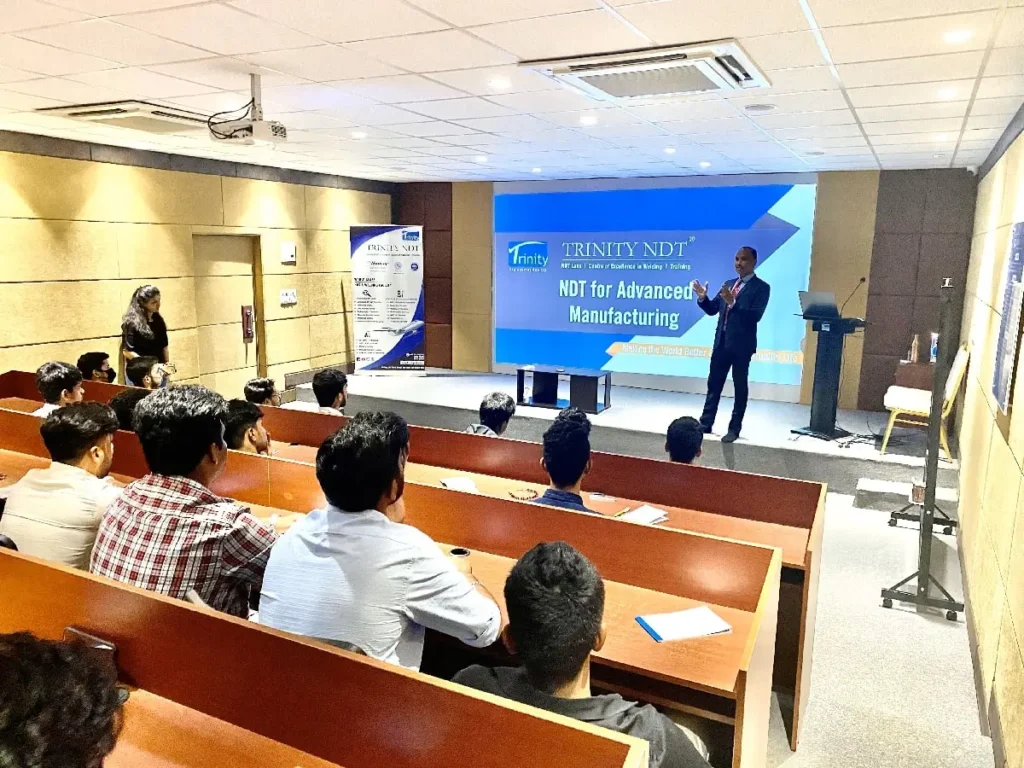
Interactive Workshops
Group discussions on shop floor challenges - Material identification exercises - Phase diagram interpretation practice - Heat treatment cycle design
Flexible Training Options to Suit Your Schedule
| Training Mode | Duration | Schedule | Investment |
|---|---|---|---|
| Classroom Training (Bangalore) | 40 Hours | 5 Days Intensive | ₹19,500 + GST |
| Weekend Batches | 40 Hours | 4 Weekends | ₹24,500 + GST |
| Online Live Sessions | 40 Hours | Flexible timings | ₹13,500 + GST |
| Corporate Training | Customized | At your facility | Request Quote |
What's Included
- Comprehensive course materials and reference book
- Laboratory session access (for classroom participants)
- Trinity NDT course completion certificate
- Lunch and refreshments (classroom training)
- Lifetime access to course alumni network
- Post-training email support
Next Batch Dates
- April 27-30, 2026 (Bangalore) 8 seats left
- May 1-2, 8-9, 2026 (Weekend Batch) Open
- March 16-20, 2026 (Online Live) Open
Why 16,000+ Engineers Chose Trinity NDT for Metallurgy Training
Industry-Veteran Instructors
Learn from metallurgists with 30+ years of experience in aerospace, automotive, and heavy engineering. They've solved real problems, not just taught from textbooks.
NADCAP Accredited Lab for Aerospace NDT
Our labs and training meet international aerospace standards. The same metallurgical expertise that serves premier OEMs now teaches you.
Access to Professional Lab
Practice on actual metallurgical microscopes, hardness testers, and heat treatment equipment—not just PowerPoint slides.
Practical, Shop-Floor Focused
Every concept ties to real industrial challenges. You'll leave knowing how to apply metallurgy, not just pass exams.
Recognized Certification
Trinity NDT certificates are recognized by quality departments across manufacturing, inspection, and engineering companies worldwide.
Lifetime Alumni Support
Join our network of 16,000+ certified professionals. Get ongoing support for metallurgical questions you face on the job.
What Our Students Say
"As an NDT Level 2 technician, I could identify defects but didn't understand why they occurred. This course changed that completely. Now I can discuss root causes with engineers confidently."
Prasanna Kumar H
NDT Level II Inspector, L&T
"The Iron-Carbon diagram always confused me in college. Trinity NDT's instructors explained it so practically that I finally 'got it.' Best investment in my career development."
Bhargavi Sharma
Sr Engineer - MVS Engineers
"I'm in technical sales for steel products. Understanding heat treatment and material properties has helped me serve customers better and increased my commissions by 40%."
Mohammed Ismail
Sales Engineer, JSW
Understand the Fundamental Concepts of Metallurgy to vital for Mechanical, Civil, Electrical Engineers
Why Engineers Need Metallurgical Knowledge
Every successful engineer requires comprehensive materials knowledge. Whether you’re involved in component design, weld inspection, quality control processes, or production management, understanding metallurgy is essential for engineering excellence.
Most mechanical engineering, electrical engineering, and civil engineering programs provide limited material science education. While graduates excel at calculations and design principles, they often face challenges when components fail, when selecting appropriate steel grades, or when heat treatment processes don’t deliver expected results.
Bridge Your Knowledge Gap with Professional Metallurgy Training
Trinity NDT’s Metallurgy for Non-Metallurgists course addresses this critical skill gap. Since 2001, we’ve successfully trained over 16,000 professionals, helping them master essential metallurgical concepts that academic textbooks overcomplicate and industries require.
Who Should Attend This Metallurgy Course?
This specialized metallurgy training program is designed for professionals including:
- Mechanical engineers and civil engineers seeking materials expertise
- Electrical engineers working with metallic components
- NDT Level 1 and Level 2 technicians
- Welding inspection personnel and certified welders
- Quality control and quality assurance professionals
- Laboratory technicians in materials testing
- Sales and marketing professionals in metal industries
- Engineering graduates without formal metallurgy education
Comprehensive Metallurgy Curriculum for Practical Applications
Our metallurgy course covers fundamental and advanced concepts essential for engineering professionals:
Core Metallurgical Concepts
- Materials chemistry and composition analysis
- Mechanical properties of metals and alloys
- Metal behavior under various conditions
- Steel, Aluminium, Magnesium, Titanium, Copper alloys, grades and material selection criteria
Processing and Manufacturing
- Metal processing techniques and best practices
- Foundry practices and casting processes
- Heat treatment procedures and outcomes
- Welding characteristics and metallurgy
Quality and Defect Management
- Defect identification in various product forms
- Material salvaging techniques and procedures
- Shop floor challenges and practical solutions
- Industry best practices for material handling
Why Choose Trinity NDT's Metallurgy Training?
Designed by Practicing Metallurgists
Our course curriculum reflects real-world shop floor experiences and addresses actual engineering challenges encountered in industrial settings.
Focus on Key Responsibilities
We focus on practical metallurgical knowledge that directly applies to daily engineering work, component failures, material selection, and production processes.
Proven Track Record
With 16,000+ trained professionals since 2001, Trinity NDT has established itself as a trusted provider of metallurgy education for non-metallurgists.
Truly A Special Course on Metallurgy
Understanding materials chemistry, mechanical properties, metal behavior, processing techniques, welding characteristics, and defect analysis is crucial before taking on engineering responsibilities. This specialized metallurgy course ensures engineers develop proficiency in metallurgical concepts to meet current industrial demands.
Enrol online now for course
Don’t let limited materials knowledge hold back your engineering career. Join thousands of professionals who have enhanced their expertise through Trinity NDT’s comprehensive metallurgy training program. Gain the metallurgical competence that modern engineering industries require.
The Unique Course for Non Metallurgical Engineers
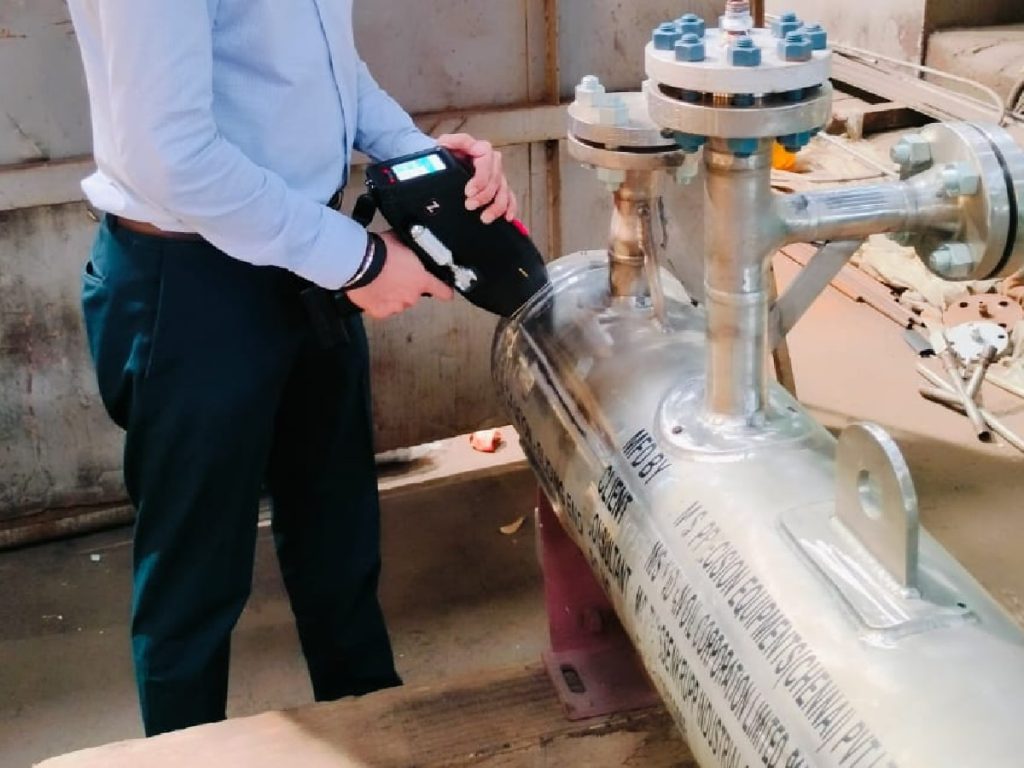
This unique course on Metallurgy for Nonmetallurgist gives understanding the concepts of Iron Carbon diagram, phase changes in heat treatment is tricky and confusing subject. We designed the course to take you the whole new level of experience to understand the basic concepts of Metallurgy.
This training courses can be of standard topics given below or can be tailor made to the requirements of the customer. Program can be attended at our International Training centre in Bangalore or can be organized at customer works. Contact us of more information on fee, upcoming schedules and procedure for registrations.
- Introduction to Basic Metallurgy
- Metal Basics
- Engineering Materials
- Shape Forming
- Heat Treatment
- Mechanical Properties
- Joining
- Emerging Materials/Processes
- Failure Analysis
Surface Engineering
Basic Industrial Metallurgy for Non-metallurgist Course Topics
- Introduction to iron and steel
- Understanding tool for metallurgy
- Classification of steels
- Based on melting practices
- Based on chemical composition
- Influence of alloying elements on steels
- Hardenability
- Differentiating carbon steel from stainless Steel
- Material testing and its importance
- Heat treatment process
- Microstructure studies
- Mechanical properties of metals
Know more about NDT training and Welding Inspector Courses offered from Trinity NDT.
Frequently Asked Questions about Metallurgy for Non-metallurgist Course
No! This course is specifically designed for engineers WITHOUT metallurgy degrees. We start from fundamentals and build up. If you have basic engineering knowledge, you’re qualified.
Not at all. Even engineers with 10+ years’ experience find gaps in their metallurgical knowledge. We cover practical aspects that engineering colleges miss—like reading TTT diagrams, troubleshooting heat treatment failures, and understanding weldability.
Classroom participants get access to our ISO 17025 accredited metallurgical lab. You’ll examine microstructures, perform hardness tests, and see heat treatment demonstrations. Online participants receive detailed videos and case studies.
College courses focus on theory and exams. Ours focuses on application and problem-solving. Every topic connects to real industrial scenarios you’ll face in your job.
Yes! We conduct corporate training programs at client locations for groups of 10+ participants. The curriculum can be customized to your industry’s specific needs.
Yes. You’ll take a comprehensive assessment covering all modules. Upon passing, you receive a Trinity NDT course completion certificate valid for professional development records.
Just bring a notebook and pen. We provide all course materials, reference books, and access to equipment.
Alumni can attend future batches at 50% discount. We also provide email support for questions that arise after training.